Author: Contec Healthcare
Tags:Compounding Pharmacy, Cleanovators, Material Handling, Webinar

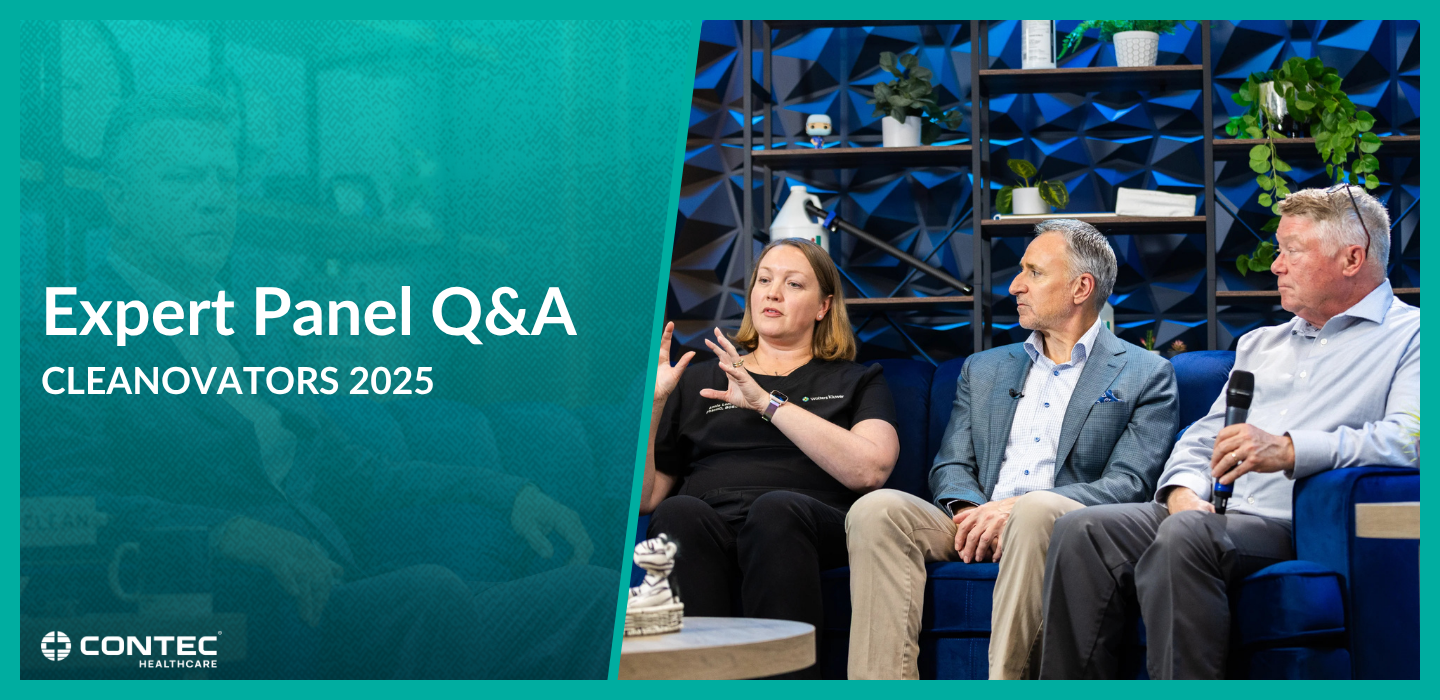
Cleanovators 2025 Panel Q&A

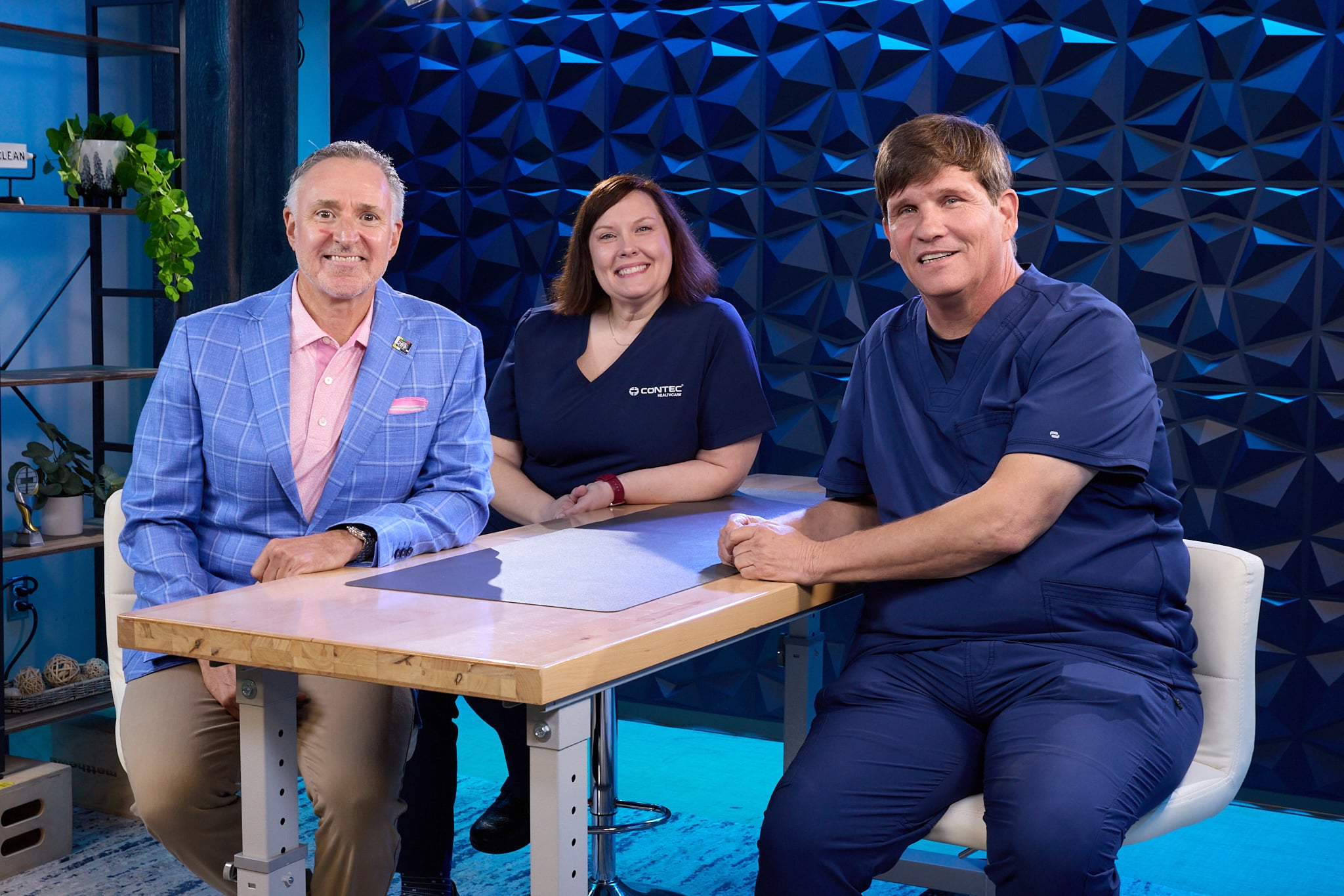
This Contec Healthcare session is a live expert Q&A panel discussing surface sampling, material handling & transfer, and pharmacy cleanroom workflow best practices.
00:0300:05

Webinar Description


This Contec Healthcare Cleanovators Panel focused on addressing key questions from the audience regarding contamination risks in healthcare settings, particularly in relation to hazardous drugs (HDs). Attendees learned about the critical contamination points, such as doorknobs and the importance of proper cleaning protocols in negative pressure rooms.


The discussion emphasized the need for robust cleaning methods and adherence to specific PPE requirements to mitigate cross-contamination risks. Participants were encouraged to observe and evaluate cleaning practices, as well as to provide feedback for future events. The session concluded with appreciation for the attendees' engagement and a reminder of the upcoming ASHP show for further discussions.

Key Takeaways

  • Contamination control must extend beyond the PEC.
  • High-touch areas are major sources of hidden contamination.
  • Hazardous drug handling begins at receiving—not compounding.
  • Packaging can both contain and spread contamination.
  • Sampling programs should include real-world workflow locations.
  • Gaps in practice often exist outside controlled environments.
  • A holistic, end-to-end approach is essential for effective risk reduction.

Webinar Section Summaries

Surface Wipe Sampling Beyond the PEC

One key discussion centers on whether to perform wipe sampling outside the Primary Engineering Control (PEC).


Key insight:


  • Even if not explicitly required, sampling outside the PEC is highly valuable
  • It provides visibility into contamination spread beyond controlled zones


High-Touch Areas and Hidden Contamination Risks


Experts highlight high-touch areas as critical sampling points, including:


  • Storage and staging areas for compounded products
  • Doorknobs and entry/exit points
  • Areas accessed frequently by staff (e.g., nurses retrieving medications)


These areas often show unexpectedly high contamination levels.


Material Handling of Hazardous Drugs Upon Receipt

The panel discusses best practices for handling hazardous drugs (HDs) after receipt.


Key considerations include:


  • Evaluating all touchpoints from receiving to storage
  • Understanding contamination risks introduced during handling


Material handling is presented as the start of the contamination control process, not just compounding.


Packaging and Decontamination Practices


A common question addresses whether to:


  • Keep HDs in manufacturer packaging
  • Wipe outer boxes, inner containers, or both


Key takeaway:


  • Decontamination should consider all layers of packaging
  • Packaging can both contain and spread contamination


Workflow Considerations from Receiving to Storage


The panel emphasizes that contamination control must cover the entire workflow:


  • Receiving
  • Transport
  • Storage
  • Preparation
  • Administration


Each step introduces potential exposure risks.


Common Gaps in Real-World Practice


The discussion reveals several common gaps:


  • Overlooking areas outside the PEC
  • Underestimating contamination in high-touch zones
  • Inconsistent material handling practices


These gaps often lead to unnoticed exposure risks.


Integrating Best Practices Across the Workflow


Effective contamination control requires:


  • Standardized procedures across all workflow stages
  • Consistent decontamination practices
  • Awareness of contamination pathways


A holistic approach is necessary for meaningful risk reduction.


Key Themes from Audience Questions


Recurring themes include:


  • Where to sample for hazardous drug residues
  • How to handle materials safely
  • How contamination spreads beyond expected areas
  • Practical interpretation of USP <800> requirements


These reflect real-world concerns faced by pharmacy teams.

More from Studio 289

00:0300:05

Behind the Scenes