Overview of Nonsterile Hazardous Drug Compounding
Nonsterile HD compounding involves unique risks compared to traditional nonsterile practices.
Key points include:
- Increased occupational exposure risks
- Need for specialized equipment and workflows
- Greater emphasis on containment and safety
The session frames HD compounding as a specialized practice area requiring heightened awareness.
Applicable Standards: USP <795>, USP <800>, and NAPRA
The webinar reviews the key standards governing practice:
- USP <795> → Nonsterile compounding standards
- USP <800> → Hazardous drug handling requirements
- NAPRA Model Standards → Canadian guidance and expectations
The discussion highlights the overlap between these standards and the importance of understanding regional requirements.
Importance of Compliance and Patient Safety
Compliance is presented as essential for:
- Protecting personnel
- Ensuring patient safety
- Delivering high-quality compounded preparations
The presenter reinforces that standards exist to reduce risk and improve consistency in practice.
Protecting Personnel from Hazardous Drug Exposure
A major focus is preventing occupational exposure to hazardous drugs.
Risks include:
- Contact exposure
- Inhalation of powders or aerosols
- Environmental contamination
Protecting workers requires layered safety controls and proper procedures.
Facility Design and Environmental Considerations
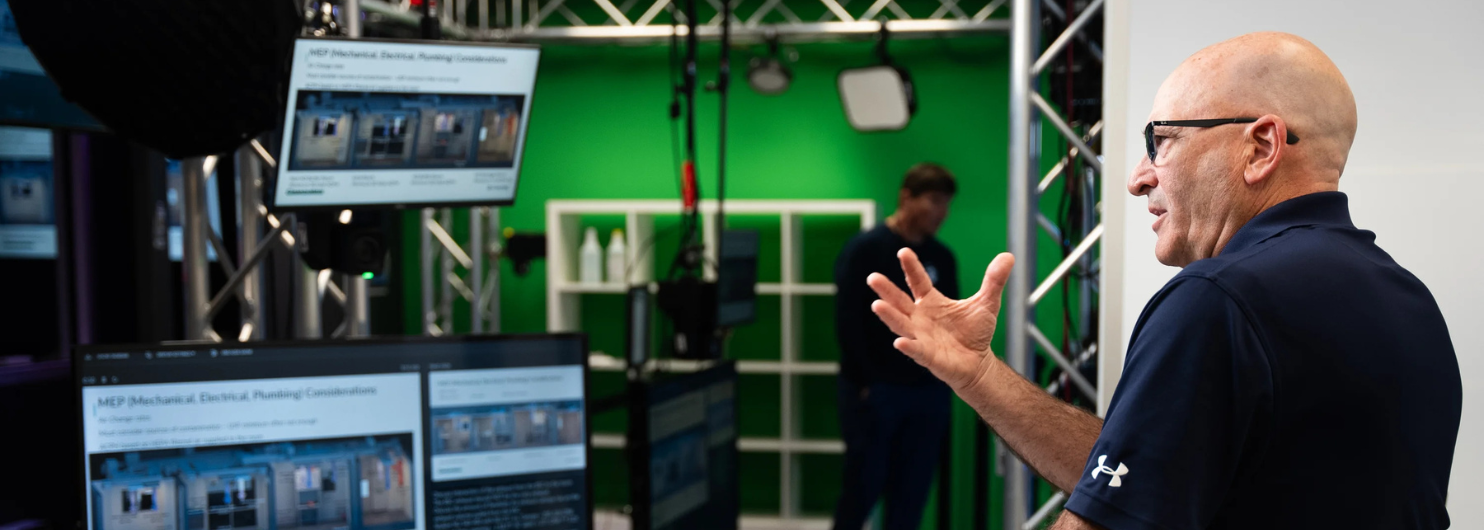
The webinar acknowledges that the studio environment resembles a sterile cleanroom, while the focus remains nonsterile compounding.
Key environmental considerations include:
- Proper containment equipment
- Workflow separation
- Surface and environmental control
Facilities must be designed to minimize contamination and exposure.
Training, Education, and Competency Development
The presenter repeatedly emphasizes the importance of:
- Comprehensive training
- Competency assessment
- Ongoing education
Hazardous drug compounding cannot be safely implemented without strong knowledge and preparation.
Challenges and Best Practices in Nonsterile HD Compounding
The session concludes by reinforcing best practices such as:
- Following regulatory standards
- Using appropriate equipment
- Maintaining contamination control procedures
- Building strong training programs
Safe and compliant practice requires continuous improvement and vigilance.
 Contec Healthcare
 Compounding Pharmacy, USP, Webinar




 return to overview
 back to top