Implementation Timeline and Official Date
Although USP chapters typically allow a six-month implementation window, this revision provides a full year before becoming official.
- Published: November 1, 2022
- Official date: November 1, 2023
This extended timeline is intended to give facilities sufficient time to review, update policies, retrain staff, and modify processes to align with the final revisions.
Major Change Area #1: Hand Hygiene and Garbing
One of the most significant updates involves hand hygiene and garbing requirements.
The revisions emphasize:
- Clearer procedural expectations
- Standardization of garbing steps
- Reinforcement of contamination prevention principles
The changes underscore the role of personnel as the primary source of contamination in sterile compounding environments. Proper garbing and hand hygiene are positioned as foundational contamination control strategies.
Major Change Area #2: Introducing Items into the PEC and SEC
The revised chapter addresses how materials are introduced into:
- PECs (Primary Engineering Controls)
- SECs (Secondary Engineering Controls)
This includes:
- Surface disinfection requirements
- Material staging practices
- Minimizing contamination risk during transfers
The emphasis is on reducing contamination vectors when bringing supplies, components, and materials into controlled environments.
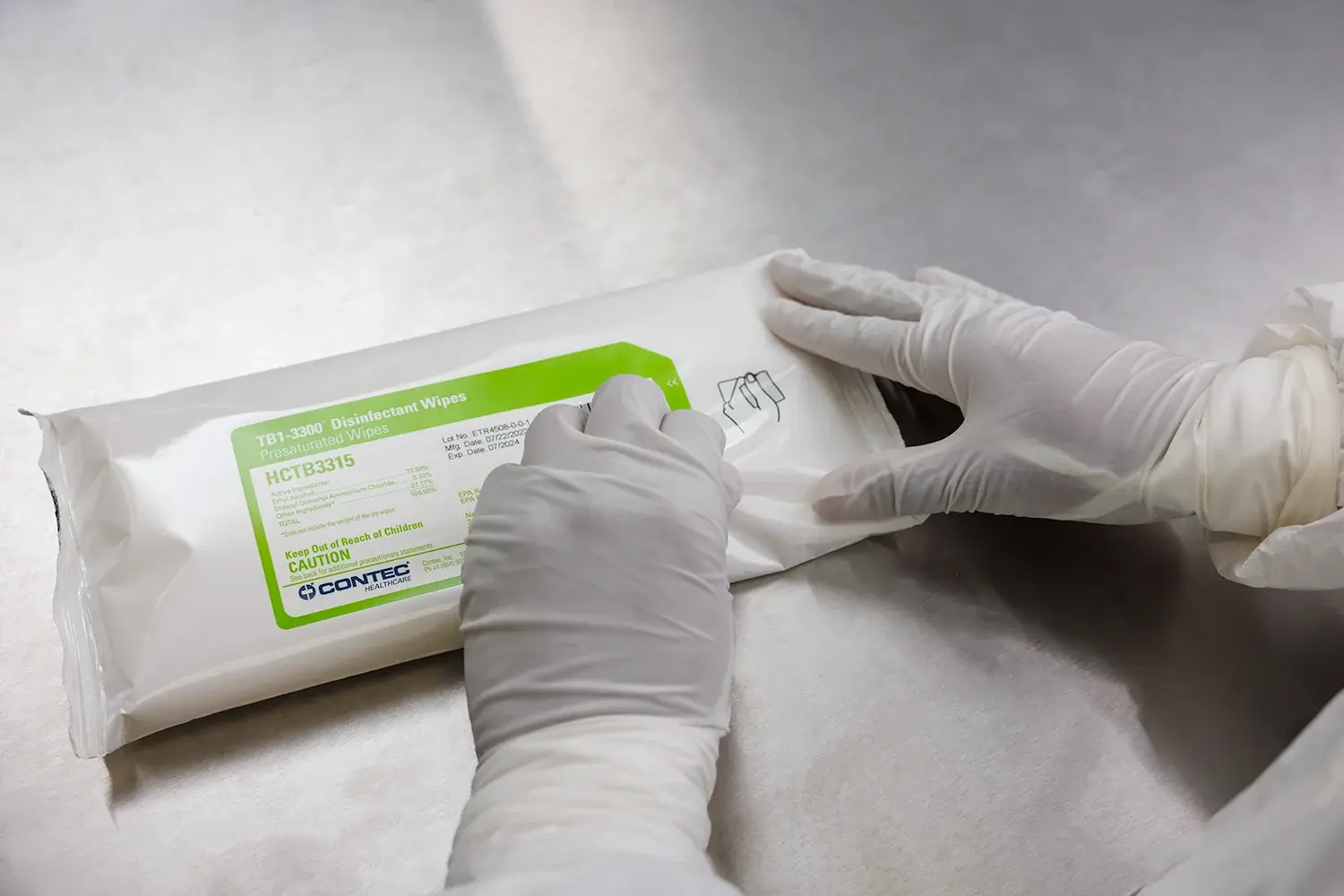
Major Change Area #3: Cleaning and Disinfecting Requirements
Cleaning and disinfecting protocols receive clarified and reinforced expectations.
Updates focus on:
- Frequency requirements
- Defined responsibilities
- Documentation practices
- Use of appropriate disinfectants
The revisions align cleaning activities more explicitly with contamination control objectives, reinforcing consistency and procedural clarity.
Major Change Area #4: Personnel Training and Competency
Personnel training is another central area of change.
The revisions stress:
- Initial training requirements
- Ongoing competency assessments
- Reinforcement of aseptic technique
- Documentation of training and qualification
The message is clear: contamination control depends on trained and qualified personnel who understand both procedural steps and the rationale behind them.
Contamination Control as the Central Theme
Across all revisions, contamination control is the unifying principle.
Whether discussing garbing, material transfer, cleaning, or training, the chapter consistently emphasizes:
- Preventing microbial ingress
- Standardizing practices
- Reducing variability
- Strengthening environmental control
The revised chapter reflects a more integrated and risk-based approach to sterile compounding operations.
Preparing for Compliance Before the Official Date
Facilities are encouraged to use the one-year implementation window wisely by:
- Reviewing existing SOPs
- Conducting gap assessments
- Updating policies and procedures
- Training and retraining staff
- Auditing current contamination control practices
Proactive preparation reduces last-minute compliance risk and supports smoother regulatory transitions.
 Contec Healthcare
 Compounding Pharmacy, USP, Webinar


 return to overview
 back to top