Overview of Nonsterile Hazardous Drug Compounding
Nonsterile HD compounding is presented as:
- A specialized and often underestimated area of pharmacy practice
- Increasingly complex when hazardous drug precautions are applied
Many practitioners may only have limited exposure, but full compliance requires deeper understanding.
USP <795> and <800>: Overlap and Key Differences
The session highlights how:
- USP <795> governs nonsterile compounding
- USP <800> introduces additional requirements for hazardous drugs
Key insight:
- These chapters must be applied together, not independently
- Hazardous drug handling significantly increases complexity
Facility and Equipment Design Considerations
Proper facility design is critical for safety.
Key elements include:
-
Dedicated spaces for HD compounding
-
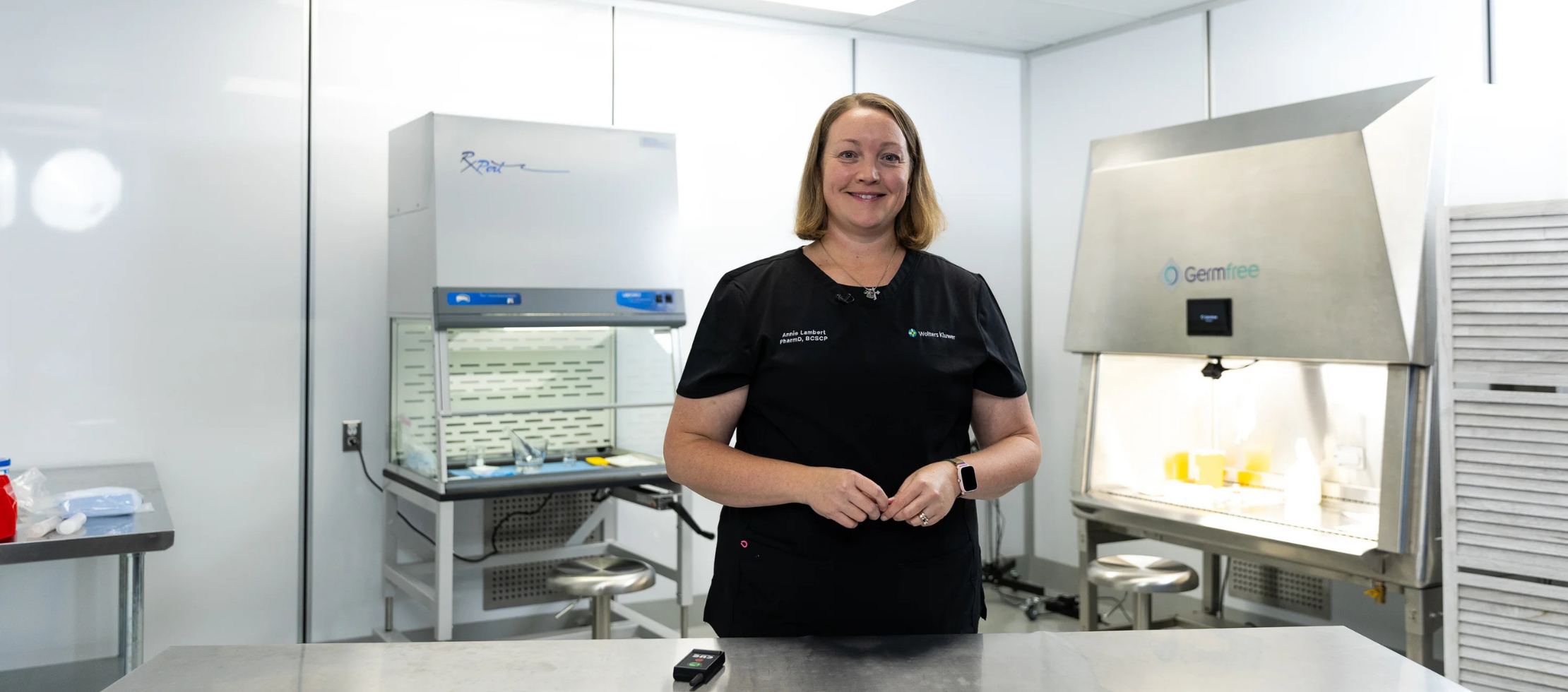
Use of containment equipment (e.g., powder containment hoods)
-
Separation from non-hazardous activities
Design must support containment and minimize exposure risk.
Powder Handling and Containment Strategies
Handling powders presents unique challenges:
- Powders can become airborne easily
- Increased risk of inhalation exposure
- Potential for surface contamination
Containment strategies are essential to control spread and protect personnel.
Personal Protective Equipment (PPE) as the Last Line of Defense
PPE is described as the final layer of protection.
Key considerations include:
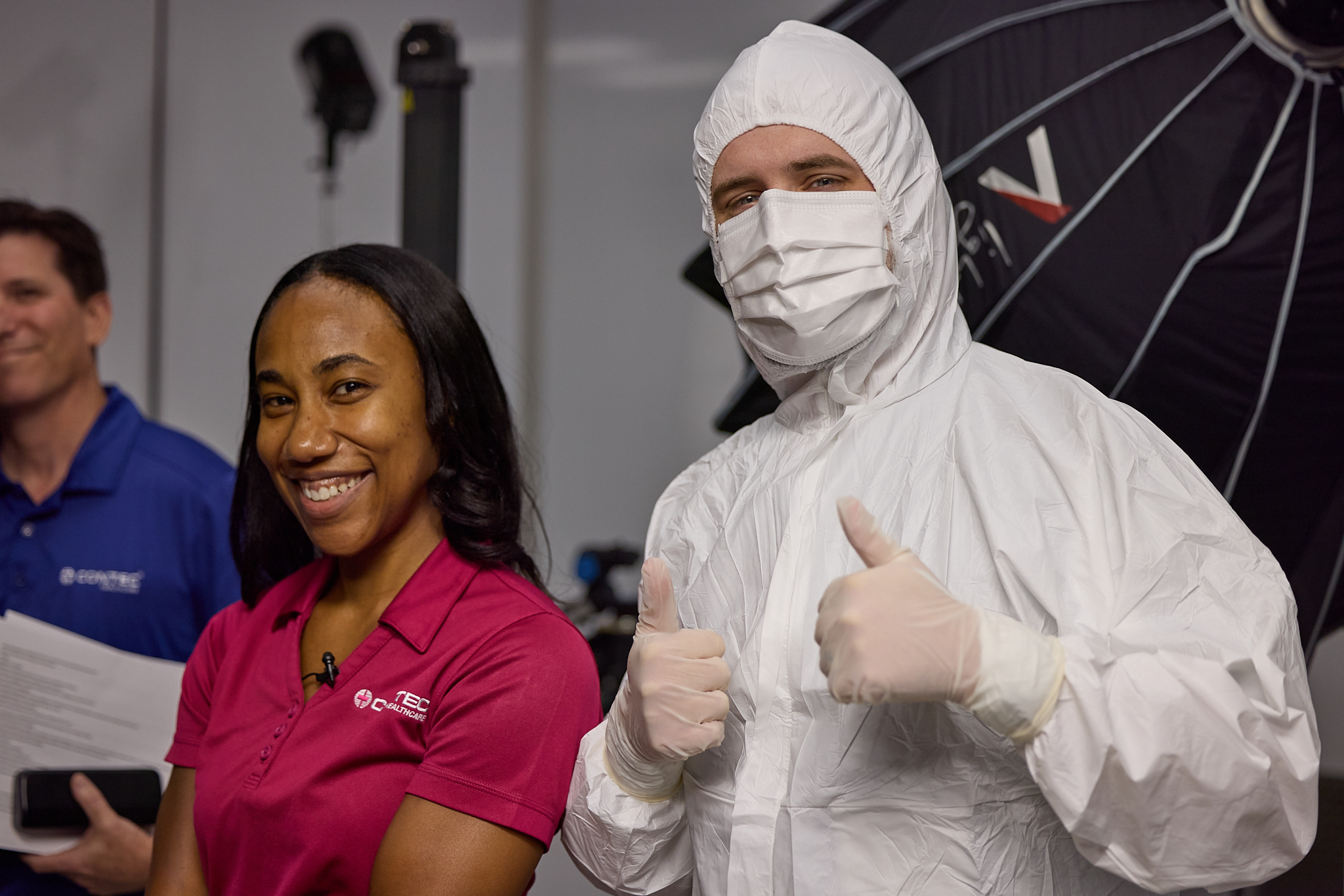
- Proper selection of PPE (gloves, gowns, respiratory protection, etc.)
- Correct use and donning/doffing procedures
- Recognition that PPE does not replace engineering controls
PPE supports—but does not replace—other safety measures.
Cleaning, Decontamination, and Residue Challenges
Nonsterile HD compounding presents unique cleaning challenges:
- Residue from powders can persist on surfaces
- Standard cleaning may be insufficient
- Specialized decontamination processes are required
Effective cleaning is critical to reducing occupational exposure.
Unique Risks Compared to Sterile Compounding
Compared to sterile compounding:
- Nonsterile HD compounding may feel less controlled
- Risks are more focused on personnel exposure rather than sterility
- Powder handling introduces different contamination dynamics
This makes it a distinct and often more complex practice area.
Best Practices for Staff Protection
The session reinforces a layered approach to safety:
- Engineering controls (containment equipment)
- Administrative controls (policies and procedures)
- PPE
- Cleaning and decontamination
Protecting staff requires integrating all these elements.
 Contec Healthcare
 Compounding Pharmacy, Cleanovators, Staffing and Training, Webinar


 return to overview
 back to top