Purpose of the Session: Design Challenges in Sterile Compounding
The webinar focuses on real-world design challenges that impact:
- Cleanroom functionality
- Regulatory compliance
- Certification outcomes
The goal is to highlight issues often overlooked during the design phase but critical during certification and operation.
Key Design Considerations in Cleanroom Facilities
The session outlines several core design elements:
- Sink placement
- Material transfer pathways
- Mechanical and environmental systems
These factors directly influence contamination control and compliance with USP <797>.
Sink Placement and Contamination Risk
Sink placement is identified as a critical design decision due to the risks associated with water.
Key points:
- Water is a major source of microbial contamination
- Improper placement can introduce contamination into clean areas
- USP <797> now allows more flexibility in sink location
- On the clean side of the line of demarcation (LOD)
- On the dirty side
- Outside the anteroom
Options include placing sinks:
Each option requires careful evaluation of contamination risk and workflow.
Material Transfer and Workflow Design
Material transfer is another key consideration in facility design.
Improper workflows can:
Facilities must design clear, controlled pathways for materials entering and moving within the cleanroom.
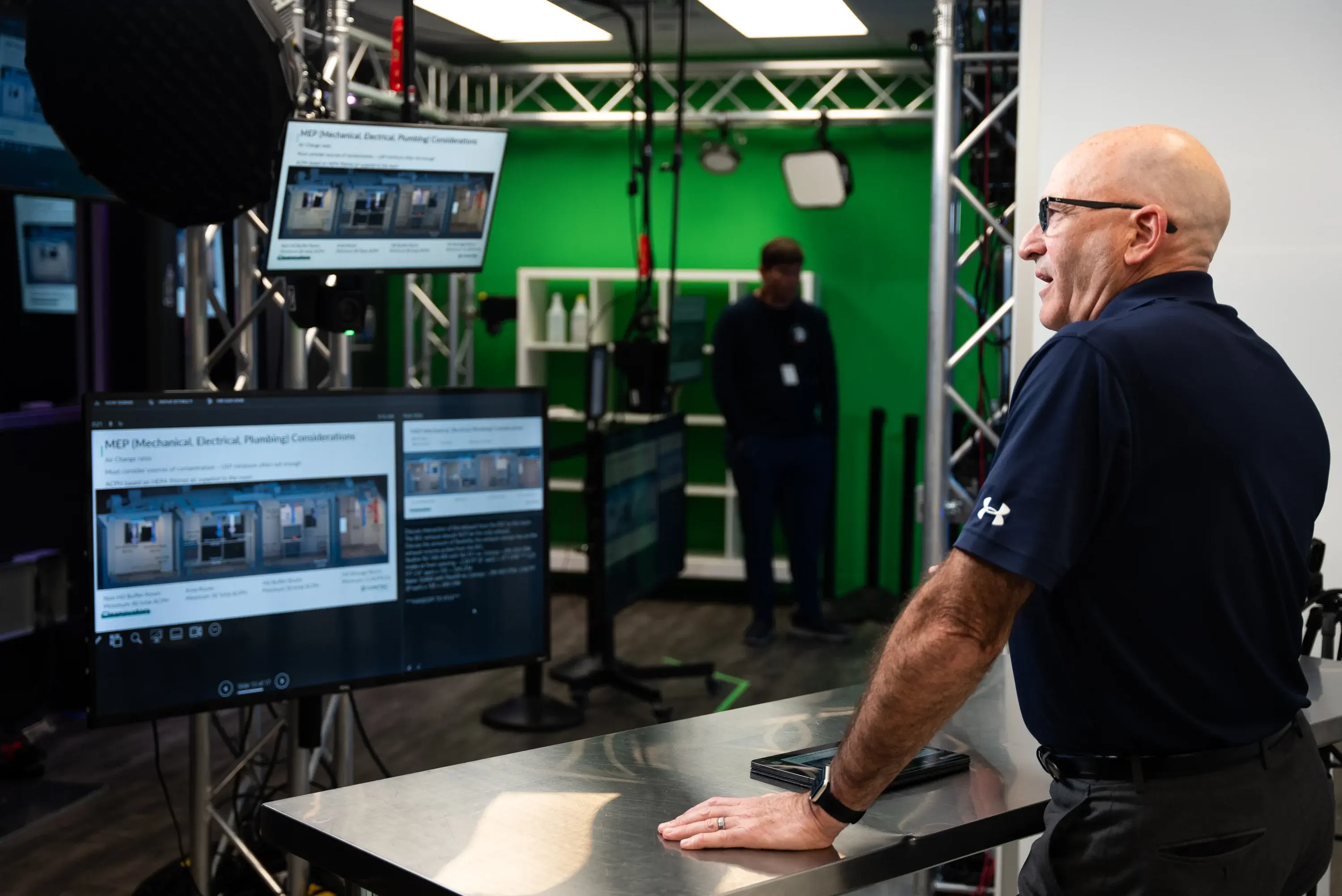
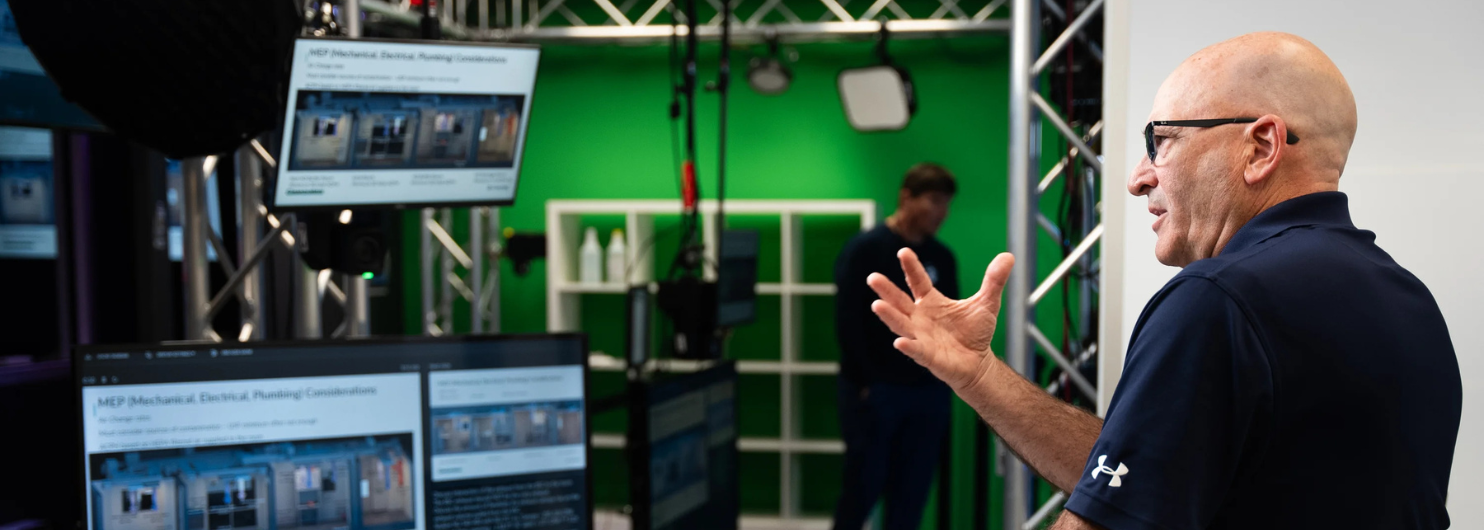
Mechanical, Electrical, and Plumbing (MEP) Considerations
The session emphasizes that pharmacy teams often overlook MEP systems, yet they are critical to cleanroom performance.
Important aspects include:
- HVAC system design
- Electrical infrastructure
- Plumbing systems (especially related to sinks)
Pharmacy teams must collaborate with engineers to ensure systems meet regulatory requirements.
ISO Classification and Environmental Requirements
Cleanroom spaces must meet specific ISO classifications, which dictate:
- Air cleanliness levels
- Particle limits
- Environmental control requirements
Design decisions must align with these classifications to ensure compliance and certification.
Airflow Design: HEPA Filtration and Air Changes
Airflow is a foundational component of contamination control.
Key considerations include:
- HEPA-filtered air supply
- Air change rates
- Airflow direction
Improper airflow design can compromise cleanroom performance and certification outcomes.
Room Pressure and Environmental Control
Room pressure differentials are critical for maintaining cleanroom integrity.
Design must ensure:
- Proper pressure relationships between rooms
- Containment of contaminants
- Protection of critical areas
Pressure control works in conjunction with airflow to maintain environmental stability.
The Role of Pharmacy Teams in Design Decisions
A major takeaway is that pharmacy teams must be actively involved in the design process.
Responsibilities include:
- Guiding engineering teams on workflow needs
- Understanding regulatory requirements
- Ensuring design aligns with operational realities
Design decisions should not be left solely to engineers—pharmacy input is essential.
 Contec Healthcare
 Compounding Pharmacy, Cleanovators, Compliance, Webinar

 return to overview
 back to top