Table of Contents
Sign Up for Our Newsletter
Sampling — Check the Film
In this Contec Healthcare Cleanovators session, Rebecca Morrison connects risk-based sampling locations and practical collection techniques with environmental monitoring trends, investigations, and corrective actions.
Webinar Description
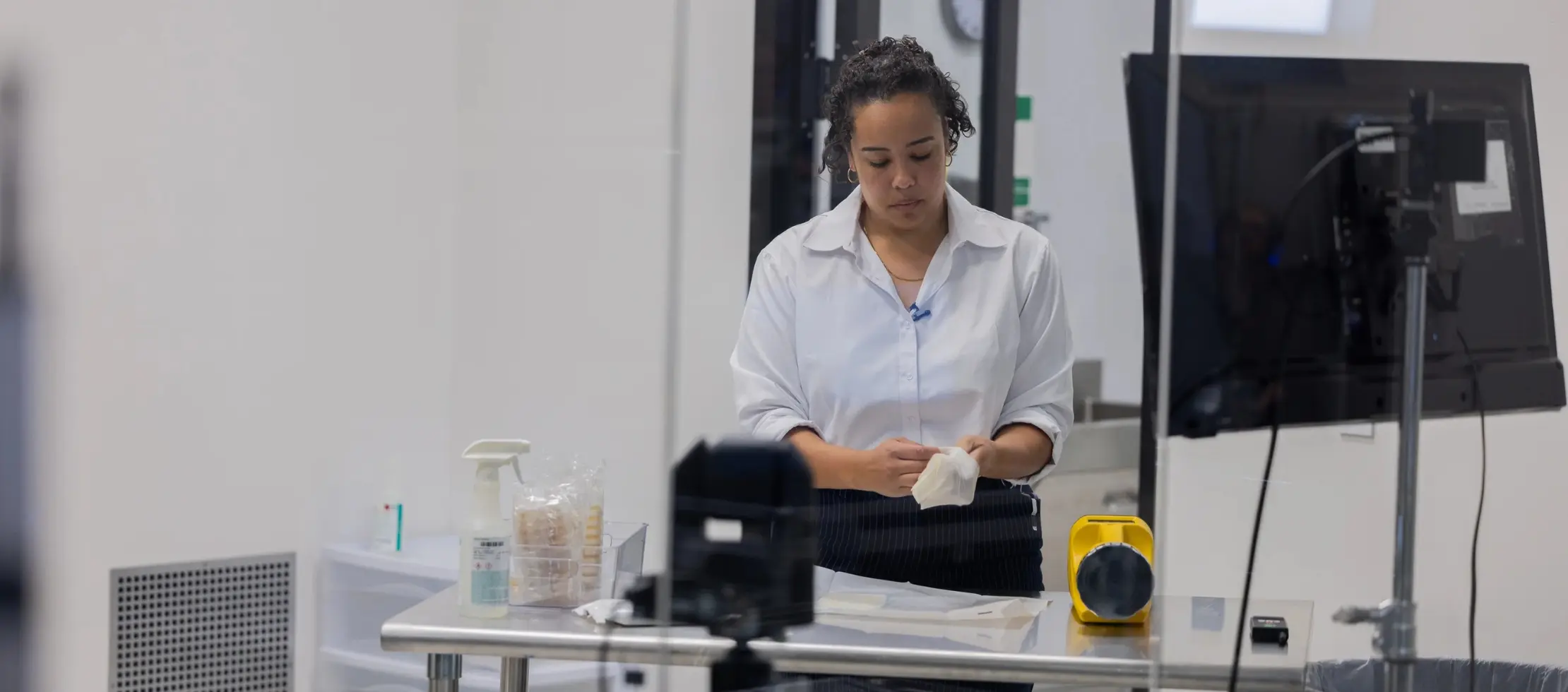
Environmental monitoring is useful when its results lead to better decisions. Rebecca Morrison explains how sterile compounding teams can build a risk-based viable environmental monitoring program, choose meaningful sampling locations, and collect samples without introducing avoidable contamination. Demonstrations cover active viable air sampling, surface contact plates, and supplemental settle plates.
The session then connects action and alert levels, trend review, root-cause investigation, and corrective and preventive actions so teams can evaluate their controls and reassess the program as facilities and processes change.
Key Takeaways
-
Design sampling around risk and real work.
-
Use methods and criteria appropriate to the sample type.
-
Trend comparable results and location-specific changes.
-
Connect findings with investigation, corrective action, and reassessment.
Webinar Section Summaries
Purpose and Limits of Viable Environmental Monitoring
Viable environmental monitoring provides a time-specific view of recoverable microbial contamination:
- Evaluate engineering controls, cleaning and disinfection, material handling, and aseptic practices.
- Use results to identify weaknesses and guide improvement.
- Interpret findings within the sampling method and conditions.
Selecting Methods and Building the Sampling Plan
A documented, risk-based plan connects sample collection with specific contamination questions:
- Distinguish active viable air sampling, contact plates, and supplemental settle plates.
- Define sample volume, dynamic conditions, frequencies, suitable media, and neutralizers.
- Document exact locations, methods, and baseline conditions.
- Reassess the plan when rooms, equipment, or processes change.
Choosing Meaningful Sampling Locations
Personnel movement, material flow, and touch frequency help identify informative sampling sites:
- Observe actual work instead of choosing locations only for convenience.
- Trace repeated personnel and material movements.
- Consider pump keypads, scale controls, and other surfaces that transfer contamination to gloves.
- Record unexpected touch points during walkthroughs.
Collecting and Identifying Samples
Consistent collection and handling protect sample usefulness:
- Control active-air volume, positioning, equipment cleaning, and handling near exposed media.
- Collect contact samples before disinfecting the selected surface and use a new plate for each sample.
- Remove residual agar through a reviewed, surface-appropriate cleanup method.
- Define settle-plate exposure and record the date, time, location, and operator.
Interpreting Results and Investigating Changes
Comparable results and location-specific trends provide more context than isolated counts:
- Use action levels appropriate to the sampling method and ISO classification.
- Establish facility alert levels to identify earlier deterioration.
- Track counts and contamination recovery rates, including the proportion of samples with growth.
- Investigate people, equipment, methods, and the environment; use follow-up monitoring to evaluate corrective actions.
More from Studio 289
Behind the Scenes
Featured products
Unable to load products.