Expiration Dates vs. Beyond-Use Dates (BUDs)
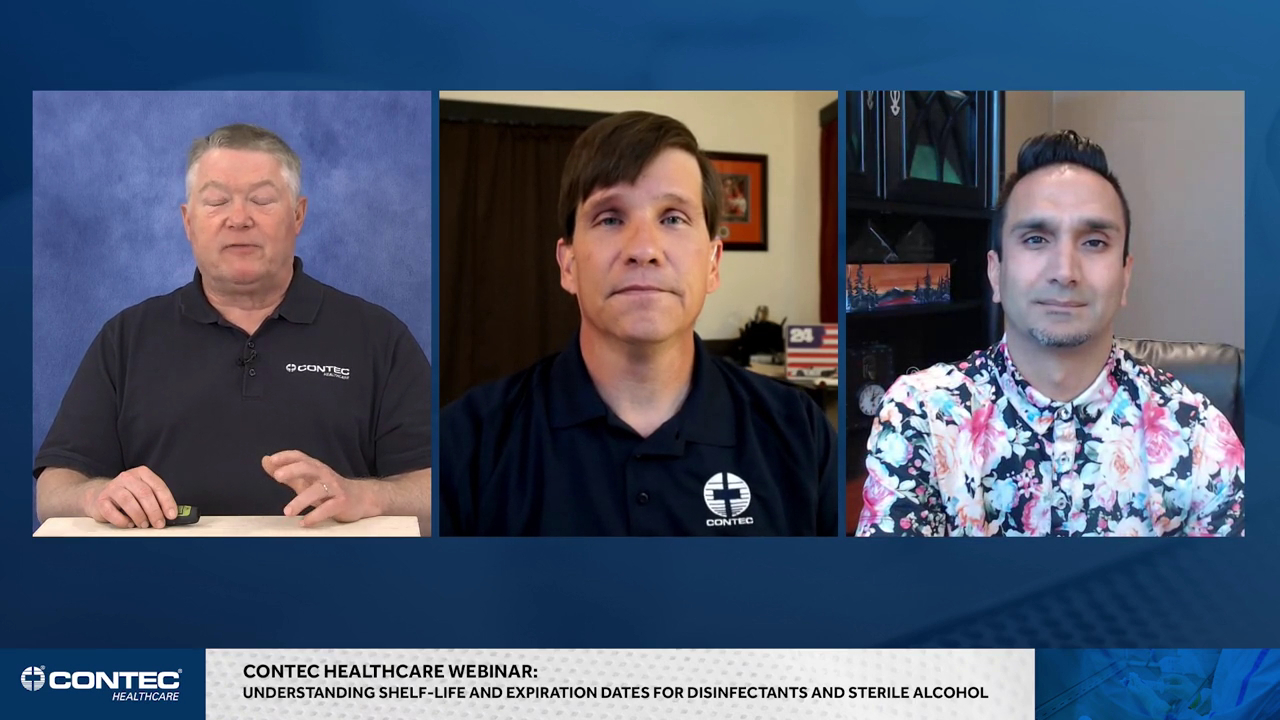
A foundational clarification in the webinar addresses whether beyond-use dating (BUD) applies to sterile alcohol and disinfectants.
The answer: No, BUD does not apply to commercially manufactured disinfectants and sterile alcohol products.
USP defines BUDs specifically for compounded sterile and nonsterile preparations. Disinfectants and sterile alcohol products manufactured commercially are not compounded sterile preparations; therefore, they follow manufacturer-assigned expiration dates instead.
This distinction prevents misapplication of compounding rules to commercial products.
USP <797> Context for 503A Compounders
For 503A sterile compounders, compliance with USP <797> requires careful management of materials used in the cleanroom environment.
While BUD does not apply to disinfectants, facilities must still:
-
Follow manufacturer labeling
-
Maintain product integrity
-
Ensure appropriate storage
-
Use products within labeled expiration dates
Understanding how USP <797> applies—and does not apply—is essential for regulatory clarity.
Shelf-Life of Unopened Disinfectants and Sterile Alcohol
The expiration date printed on commercially manufactured products reflects validated stability testing conducted by the manufacturer.
This expiration date applies to unopened products stored under recommended conditions. It accounts for:
Facilities should rely on labeled expiration dates rather than creating internal BUDs for unopened commercial disinfectants.
Opened Products: Stability and Manufacturer Guidance
The discussion addresses questions surrounding opened containers.
Key considerations include:
-
Whether opening affects sterility or chemical stability
-
Manufacturer recommendations for use after opening
-
Packaging design (e.g., sterile alcohol in sealed systems versus bulk containers)
Users must follow manufacturer instructions regarding handling and use once opened, rather than arbitrarily assigning shortened dates without guidance.
Sterility, Packaging, and Integrity Considerations
Sterile alcohol products are manufactured and packaged to maintain sterility through validated systems.
Factors that influence sterility and shelf-life include:
Compromised packaging or improper handling may affect product integrity, regardless of the printed expiration date.
Storage Conditions and Environmental Impact
Proper storage conditions play a significant role in maintaining product shelf-life.
Facilities must:
-
Store products within recommended temperature ranges
-
Avoid extreme environmental conditions
-
Maintain clean and controlled storage areas
Failure to follow storage recommendations may impact stability and effectiveness.
Common Misconceptions About Expiration and Dating
The webinar addresses common misunderstandings, including:
-
Incorrectly applying BUD rules to disinfectants
-
Confusing expiration dates with arbitrary internal dating practices
-
Assuming all opened products require automatic re-dating
Clarity in definitions and regulatory scope prevents unnecessary compliance errors.
Practical Compliance Recommendations
The session concludes with practical recommendations:
-
Follow manufacturer expiration dates for commercially produced disinfectants and sterile alcohol
-
Do not apply BUD rules intended for compounded preparations
-
Ensure proper storage and handling
-
Train staff on correct interpretation of expiration versus BUD
-
Maintain documentation consistent with regulatory expectations
Clear understanding supports both compliance and operational efficiency.
 Contec Healthcare
 Compounding Pharmacy, Beyond-Use Dates (BUDs), USP, Staffing and Training, Webinar






 return to overview
 back to top